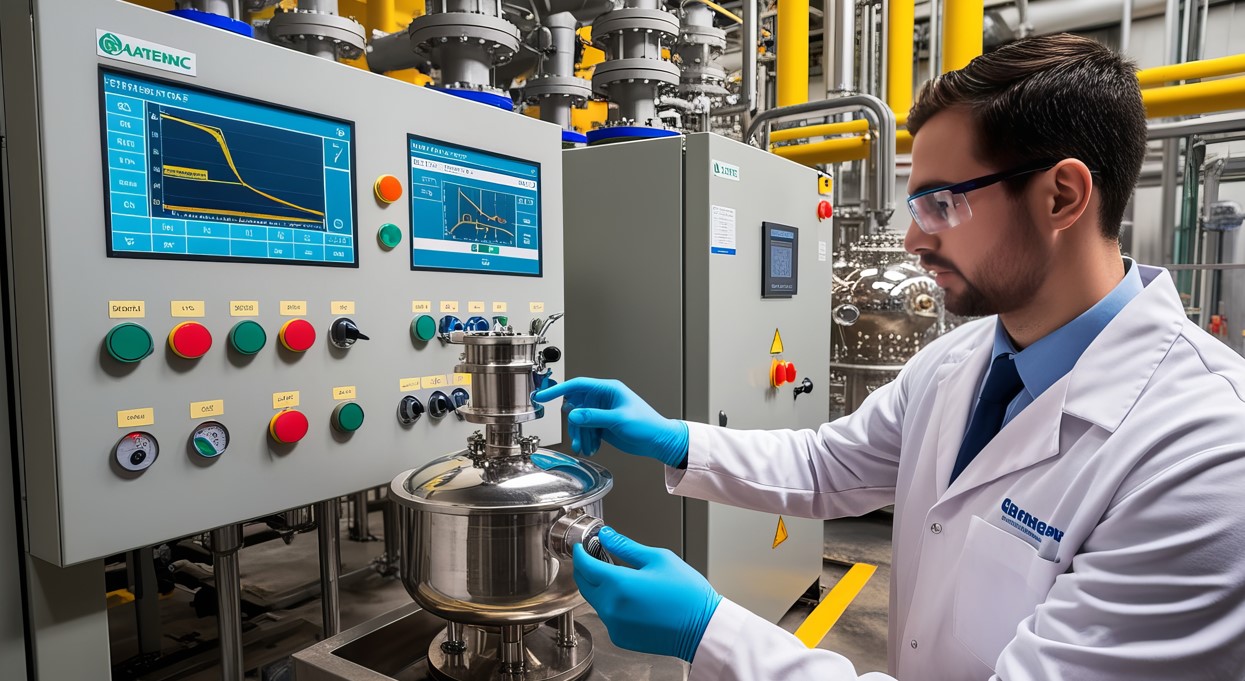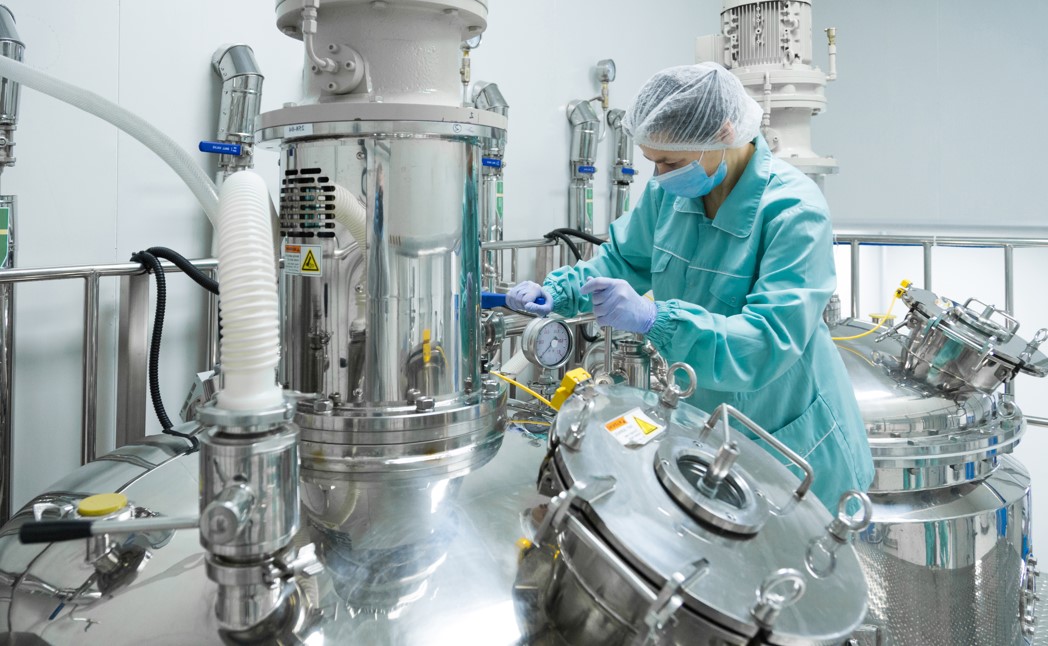
AGS Pharma Consulting specializes in Quality by Design, Design of Experiments, Process Analytical Technology, Quality Risk Management, Statistical Process Control, and enhancing cost, quality, efficiency and Process Scale-up (API). We offer tailored consultations for pharmaceuticals, biotechnology, specialty, fine chemicals, and food. For more details on any of our services, please contact us.


Quality by Design (QbD)

Quality by Design (QbD) is a systematic approach to development that emphasizes predefined objectives, a deep understanding of both product and process and rigorous process control, all grounded in sound science and quality risk management. The U.S. Food and Drug Administration (FDA) is urging pharmaceutical companies to adopt this science and risk-based approach in product development and manufacturing. Enhanced testing alone does not improve product quality; instead, quality must be inherently built into the product from the outset.

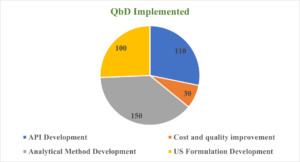
AGS Pharma Consulting provides comprehensive training and consulting services for implementing Quality by Design (QbD) in the development of drug substances, drug products, and analytical methods. Dr. Samanta brings extensive experience in applying QbD to API, formulation, and analytical method development. He has successfully redeveloped over 30 high-value drug substances to enhance yield, quality, and efficiency. The total number of products developed by Dr. Samanta is detailed below:

Dr. Samanta has extensively discussed the application of Quality by Design (QbD) in his peer-reviewed publications:

  • For Drug Substances:
    • Organic Process Research & Development, 27(5), 875-889, 2023
    • Pharma Times, 46(8), 44-47, 2014
    • Oral presentation at the AIChE Annual Meeting, October 28-November 2, 2012, Pittsburgh, USA
  • For Drug Products:
    • AAPS PharmSciTech, 18(7), 2763, 2017
  • For Analytical Methods:
    • Journal of Chromatography A, 1432, 26-38, 2016
    • Journal of Pharmaceutical and Biomedical Analysis, 178, 112943, 2020

Course Outline:

  • The framework for Quality by Design (Q8, Q9, Q10, Q11, Q12, Q13, and Q14)
  • Understanding the key concepts of QbD
    • CQAs, CPPs, design space, control strategy
  • QbD tools
    • Design of Experiments (DoE)
    • Process Analytical Technology (PAT)
  • Design of Experiments
    • Different types of design: Factorial Design, Fractional factorial design, Response Surface Model, Central Composite Design, Box-Behnken, Mixture Design
    • Basic statistics associated with DoE
    • Process robustness
    • Scale effects
  • Process Analytical Technology
    • Principle of PAT and Different process analytical tools based on IR, NIR, Raman, UV/VIS, MS, etc.
    • Chemometric overview
    • Qualitative and quantitative analysis
    • PAT application for reaction monitoring, polymorphism, Blend Uniformity, Content Uniformity of tablets, and Moisture Content in lyophilized drug products
  • Quality Risk Management
    • Risk identification: Identify the potential failure modes/hazards
    • Risk analysis (tool-based): Identify risk based on: Severity, Probability or Occurrence, Detectability
    • Risk evaluation: Comparison of risk against risk criteria
    • Development and interpretation of control strategies
  • Classroom Learning Exercises relevant to the subject matters
  • Practical implementation of QbD for drug substances, drug products, and analytical method development
  • Implementation of QbD for existing products/methods to improve yield and quality


Design of Experiments (DoE)

The generic pharmaceutical industry is experiencing rapid growth, with a heightened focus on quality and intensified market competition. As product complexity increases daily, the Design of Experiments (DOE) emerges as a crucial tool for enhancing processes, cutting costs through yield optimization, and minimizing process failures while boosting product quality. DOE provides a systematic approach to improving processes by examining the relationship between inputs and outcomes. As a core component of the Quality by Design (QbD) framework, DOE is extensively utilized across the biotech industry and other sectors.

AGS Pharma Consulting provides specialized training and consulting services for implementing the Design of Experiments (DoE) in the development of chemical compounds, drug substances, drug products, and analytical methods. Our services include selecting the appropriate experimental designs, analyzing, and interpreting data, and predicting outcomes from the models. Additionally, we support establishing the normal operating range within the design space using Monte Carlo simulation and process capability assessments (Cp and Cpk).

Dr. Samanta has extensively discussed the application of Design of Experiments (DoE) in his peer-reviewed publications:

  • For Drug Substances:
    • Organic Process Research & Development, 27(5), 875-889, 2023
    • Pharma Times, 46(8), 44-47, 2014
    • Oral presentation at the AIChE Annual Meeting, October 28-November 2, 2012, Pittsburgh, USA
  • For Drug Products:
    • AAPS PharmSciTech, 18(7), 2763, 2017
  • For Analytical Methods:
    • Journal of Chromatography A, 1432, 26-38, 2016
    • Journal of Pharmaceutical and Biomedical Analysis, 178, 112943, 2020

 Course Outline:

    • Whether to run a DoE to solve a problem or optimize
    • Experimental Planning
    • Statistical Foundations: Type of data, Measures of central tendency, Measure of dispersion, Basic plotting of data: Box plot, Histogram, and scatter plots, Normal distribution, t-statistics, ANOVA, Hypothesis testing, Regression analysis
    • Two-level Full Factorial Designs with Randomization and Blocking
    • Analyze and Interpret Full Factorial DOE Results using ANOVA, Regression, Graphical methods, Diagnostic tools
    • Fractional Factorial DOE with the Confounding Principle
    • Analyze and interpret the results of a Fractional Factorial DOE
    • Response Surface Methodology (RSM)
    • Selection of the appropriate Response Surface Design (Box-Behnken, Central Composite, or D-Optimal)
    • Mixture design
    • Interpretation of Response Surface Outputs
    • Design space establishment with 95% CI (confidence Interval)
    • Verification of Design Space
    • Monte Carlo Simulation and Evaluation of Process Capability (Cp and Cpk)
    • Classroom Learning Exercises relevant to subject matters
    • Case studies on DoE implementation

Process Analytical Technology (PAT)

Process Analytical Technology (PAT) is a system designed to analyze and control manufacturing processes through real-time measurements of critical quality attributes, ensuring the final product meets desired quality standards. PAT is crucial for enhancing process understanding and enables real-time monitoring and release of products at a commercial scale. As a key component of Quality by Design (QbD), PAT focuses on continuous monitoring throughout the manufacturing process to ensure product quality, rather than relying solely on end-product testing.

AGS Pharma Consulting provides comprehensive training and consultancy services for implementing Process Analytical Technology (PAT) in both R&D and manufacturing. Our approach enables the creation of high-quality products while maximizing manufacturing efficiencies, achieving right-first-time outcomes, reducing time to market, and realizing cost savings. We achieve this by integrating multivariate data and real-time chemometric process models to predict Critical Quality Attributes (CQAs) from spectral data measured by specialized PAT analytical instruments. Our support extends to the implementation of PAT for various processes, including reaction monitoring, crystallization, polymorphism, blend uniformity (BU), content uniformity (CU), and moisture content in formulated products.

Dr. Samanta has explored the implementation of Process Analytical Technology (PAT) in his published papers:

  • AAPS PharmSciTech, 23, 235, 2022
  • Pharmaceutical Development and Technology, 28(3-4), 265-276, 2023
  • Journal of Near Infrared Spectroscopy, 32(1-2), 18-28, 2024

Course Outline:

  • What is Process Analytical Technology?
  • Benefits of in-process monitoring
  • Different process analytical tools based on IR, NIR, Raman, UV/VIS, etc.
  • How to select the right tools and implement them for in-line or on-line analysis
  • Chemometrics Overview
  • Methods
    • Qualitative analysis: Pass/fail analysis, Moving Block Standard Deviation (MBSD), Principal Component Analysis (PCA)
    • Quantitative analysis: Model building, Partial Least Square (PLS) Regression
    • Validation and maintenance of models
  • Applications
    • Liquid phase: Reaction chemistry, flow chemistry, crystallization and Polymorph form analysis, liquid formulation
    • Solid phase: Blending, coating, continuous manufacturing
    • Case studies on the application of PAT.

Quality Risk Management (QRM)

Quality Risk Management (QRM) is a systematic approach to identifying, assessing, and controlling risks to product quality throughout its lifecycle. Far from being merely a regulatory requirement, QRM is a core philosophy that underpins excellence in the pharmaceutical industry. By employing structured risk assessment and mitigation strategies, companies can enhance product quality, reduce costs, improve operational efficiency, and ensure regulatory compliance.

AGS Pharma Consulting plays a crucial role in guiding organizations through the practical implementation of Quality Risk Management (QRM) approaches, enhancing efficiency and meeting regulatory expectations. Our interactive, advanced workshop utilizes case studies to offer practical tools and techniques for addressing current challenges. Participants gain hands-on experience in preparing for and conducting risk assessments.

Dr. Samanta has extensively discussed the application of Quality Risk Management (QRM) in his peer-reviewed publications:

    • Organic Process Research & Development, 27(5), 875-889, 2023

Course Outline:

  • Definition and importance of quality risk management
  • QRM principles and significance of ICH Q9
  • How to set up and run a Quality risk management exercise including risk assessment (identification, analysis, evaluation), risk control (reduction, acceptance), risk review, and communication
  • How to use various QRM tools and techniques such as Failure Mode and Effects Analysis (FMEA), Hazard Analysis and Critical Control Points (HACCP), Hazard Operability Analysis (HAZOP)
  • Benefits of implementing QRM in terms of cost reduction, improved operational efficiency, and strengthened customer confidence


Statistical Process Control (SPC) and Cost, Quality, and Efficiency Improvement

Statistical Process Control (SPC) is a statistical technique used to measure, monitor, and control processes. It provides a scientific approach to managing and improving processes by identifying and eliminating special cause variations. As manufacturing businesses face challenges due to rising raw material costs and operating expenses, it becomes crucial for them to focus on cost reduction, increased efficiency, and quality improvement in their processes.

AGS Pharma Consulting provides in-depth training on enhancing the cost, quality, and efficiency of high-value products through the application of Statistical Process Control (SPC), root cause analysis, re-optimization, and process control techniques.

Dr. Samanta has extensively addressed improvements in the quality, yield, and efficiency of a high-value product in his AIChE conference proceedings.

  • Oral presentation at the AIChE Annual Meeting, October 28-November 2, 2012, Pittsburgh, USA

Course Outline:

    • Statistical Foundations: Type of data, Measures of central tendency, Measure of dispersion
    • Sapling, Sample size, Stratification
    • Basic plotting of data: Box plot, Histogram, and scatter plots
    • Normal distribution, t-statistics, ANOVA, Hypothesis testing,
    • Correlation and Regression analysis
    • Nonparametric data analysis
    • Design of Experiments: Full Factorial, Fractional Factorial, Response Surface Model
    • Evaluation of the current state of the SPC
    • Process Capability and Process Capability Index (Cp and Cpk)
    • Review data for achieving desired goals
    • Quality Risk Management
    • Cause-and-effect diagram
    • Failure Mode Effect Analysis
    • Pareto graphs and analysis
    • Control chart: Individual, Xbar-R, Xbar-S chart, P-chart and U-chart
    • Classroom Learning Exercises relevant to subject matters

Scale-up (API)

Process scale-up involves transferring a chemical process from the lab to larger equipment used in pilot or commercial plants, aiming to maintain the same conversion, selectivity, quality, and physical properties. A key challenge in successful scale-up is achieving the desired results on the first attempt within a reasonable timeframe, without the need for extensive rework or additional lab studies.
 
AGS Pharma Consulting provides a systematic approach to scale-up across different scales. We focus on understanding the process, identifying critical parameters, and developing effective control strategies, supported by chemical engineering calculations and computational fluid dynamics (CFD).
 
Dr. Samanta has discussed the scale-up challenges in his peer-reviewed publication:
  • Organic Process Research & Development, 27(5), 875-889, 2023